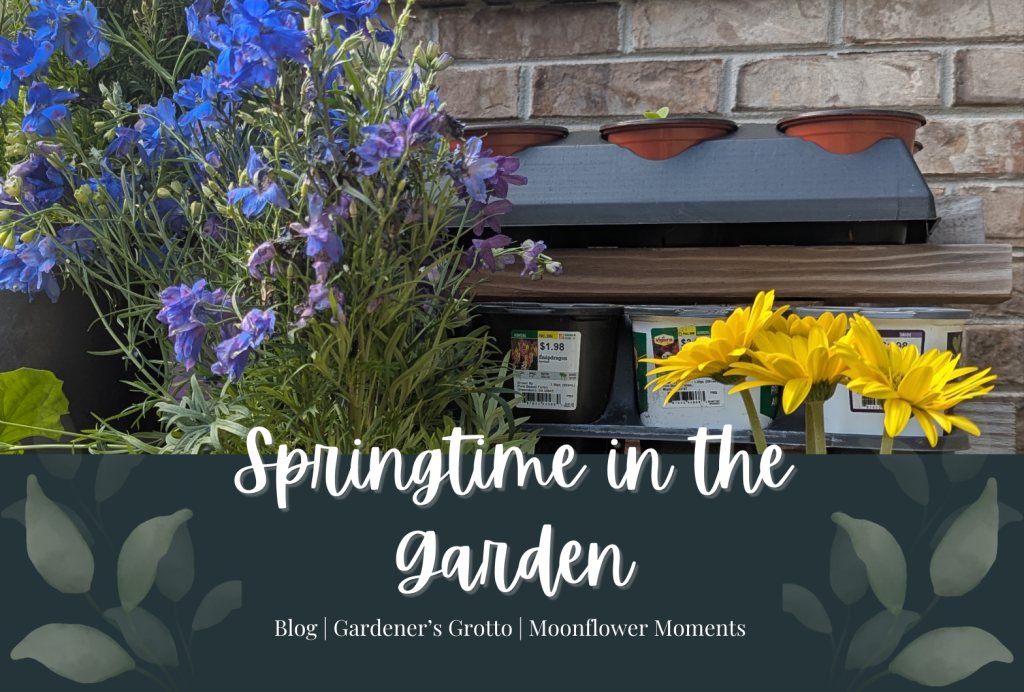

What a joyous time of year for gardeners! The days are getting longer and warmer, trees are budding out and displaying pastel blossoms, and a panorama of different shades of green are revealed by the grass and trees everywhere. Perennial plants are breaking their way through the earth toward the sun and plant nurseries are overflowing with bright colored annuals to plant.
This is also the busiest time of year for gardeners as they work to prepare their yards for the summer season ahead. Sleepy flowerbeds are awakened by adding soil amendments before spring planting time, then raked and mulched. By the end of the day, gardeners are weary and muscles ache as they rake, dig, and dream of making their yards look like those in the gardening magazines that are stacked on the coffee table.
Let me offer a word of advice for those who feel overwhelmed by these magazines. The pictures are of mature gardens that took a lot of planning and effort to get to the beautiful landscapes shown on glossy pages and then photographed by professional photographers. These photographs are designed for inspiration, not replication!
Spring is experienced differently across the United States because of diverse climate patterns that allow different growing times for plants and vegetables. In my area, seeds can be grown indoors during winter months and ready to plant in March or April. Therefore, I have my garden plans ready to go after the winter months of sitting by the fireplace with my seed catalogs and garden books.
The first thing that any gardener must determine is to find their own “aesthetic threshold.” What is it that you are looking for in a garden? Is it one in which the grass must be lush, green, and carefully coiffed on a regular basis? For me, this is not as important as the plants and vegetables that I grow, but for others it is extremely important. I have learned over the years what grows well in my yard, based upon the sun and soil requirements. I like container gardening because it allows a little more control in these areas and I have found some interesting ways to incorporate them in my garden. I also have some specific garden areas such as the pollinator garden and shade garden and throw in a little ”garden whimsy” along the way!
Gardeners also need to know what USDA growing zone in which they are located. These zones are established to help gardeners know when to plant in their area as well as plants that will thrive due to ground temperatures in various months of the year. Even though my mother and I only live 130 miles apart, we are in two separate growing zones. Her area is further north, and she has plants that depend on cooler temperatures to thrive. I also have plants that thrive in my area that will not survive the harsher winters in her area.
When selecting plants, it is easy to get carried away by the bright colors and not paying attention to labels that provide information about mature size and whether they do best in full sun, partial sun, partial shade or shade. Plants that require full sun need 4-6 hours of sunlight to thrive, if your garden gets less than that, look for plants that need less sun and more shade to thrive. Make sure that there is room for plants to reach their mature size to reach their full potential and not crowd out others. This information can be found on the plant label and I find it helpful to keep those labels for future reference throughout the growing season for reference.
So, put on those garden gloves, grab a rake and get started planning your spring garden. By doing a little preparation before planting, you will have a beautiful garden with happy plants to provide enjoyment all through spring and summer. Happy Gardening As a master gardener volunteer for my county, any gardening information that you find here will be science-based, with general information for gardeners. I encourage you to contact your local extension area for specific information in your area.

 Moonflower Moments
Leave a comment